
Custom ERP vs. Off-the-Shelf Software: What’s Best for Scaling Manufacturing in the USA?
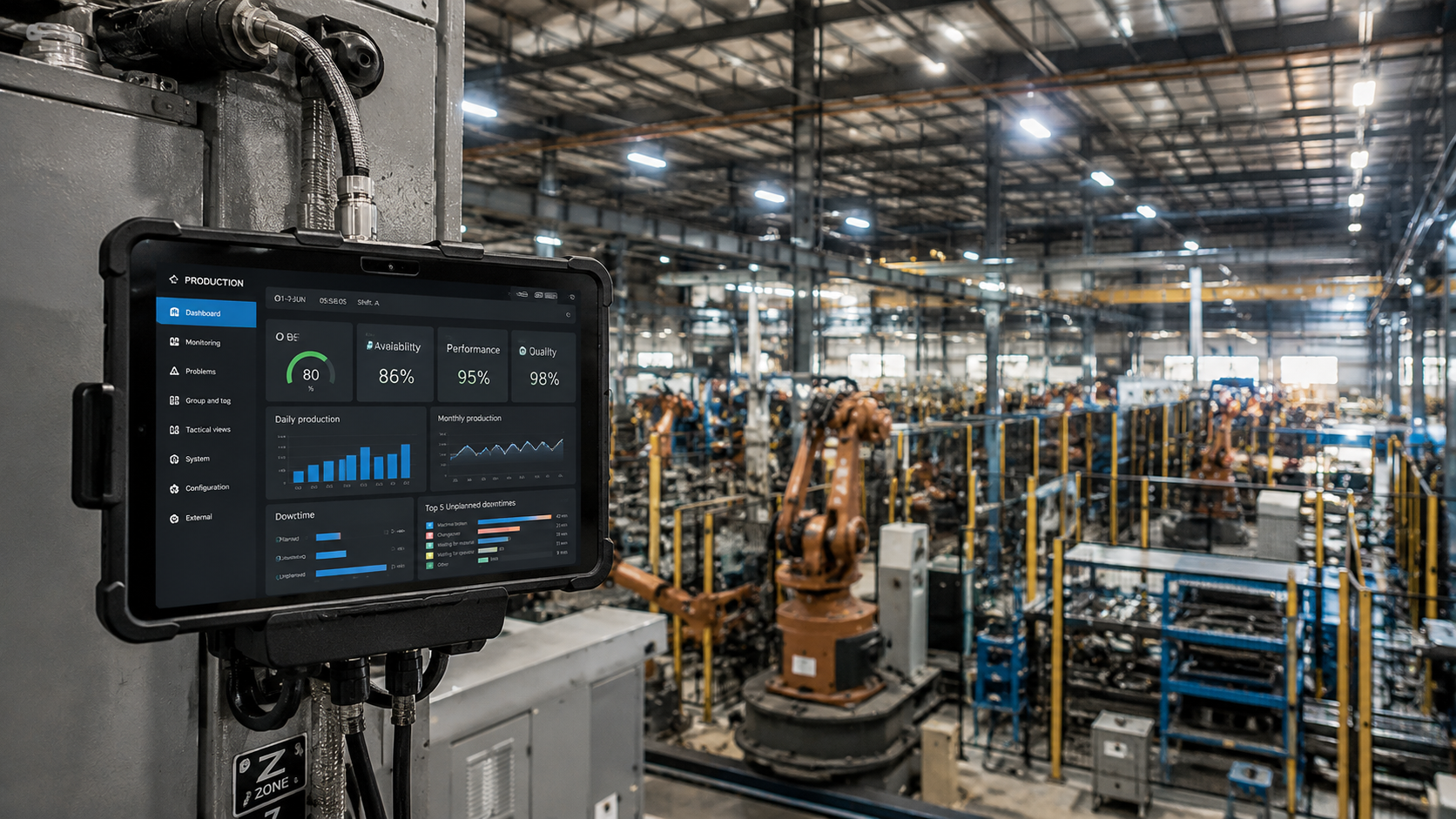
In 2026, the USA manufacturing sector is experiencing a massive resurgence. "Reshoring" is no longer just a buzzword; it's a reality. However, bringing production back to North America means dealing with higher labor costs and strict compliance standards. To survive and scale, factories must rely heavily on automation and data.
When plant managers decide to upgrade their infrastructure, they face a critical crossroads: Do they buy a generic, Off-the-Shelf ERP (Enterprise Resource Planning) software like SAP or Oracle? Or do they invest in a Custom-Built ERP tailored specifically to their assembly lines? Let’s break down the reality of scaling a factory floor.
1. The Illusion of "Plug and Play" Off-the-Shelf
Off-the-shelf software is marketed as a quick fix. You pay a subscription, download the software, and theoretically, your factory runs smoother. But the reality on the production floor is vastly different.
Generic ERPs are built for the masses. They have thousands of features you will never use, which clutters the UI and slows down your workers. Worse, because it isn't built for your specific manufacturing process, you are forced to change your factory's workflow to fit the software. This leads to massive operational friction and employee resistance.
The Hidden Costs
Generic ERPs require extensive (and expensive) third-party consultants just to customize the software enough to make it usable for your specific production line.
2. Why Custom ERP Wins on the Factory Floor
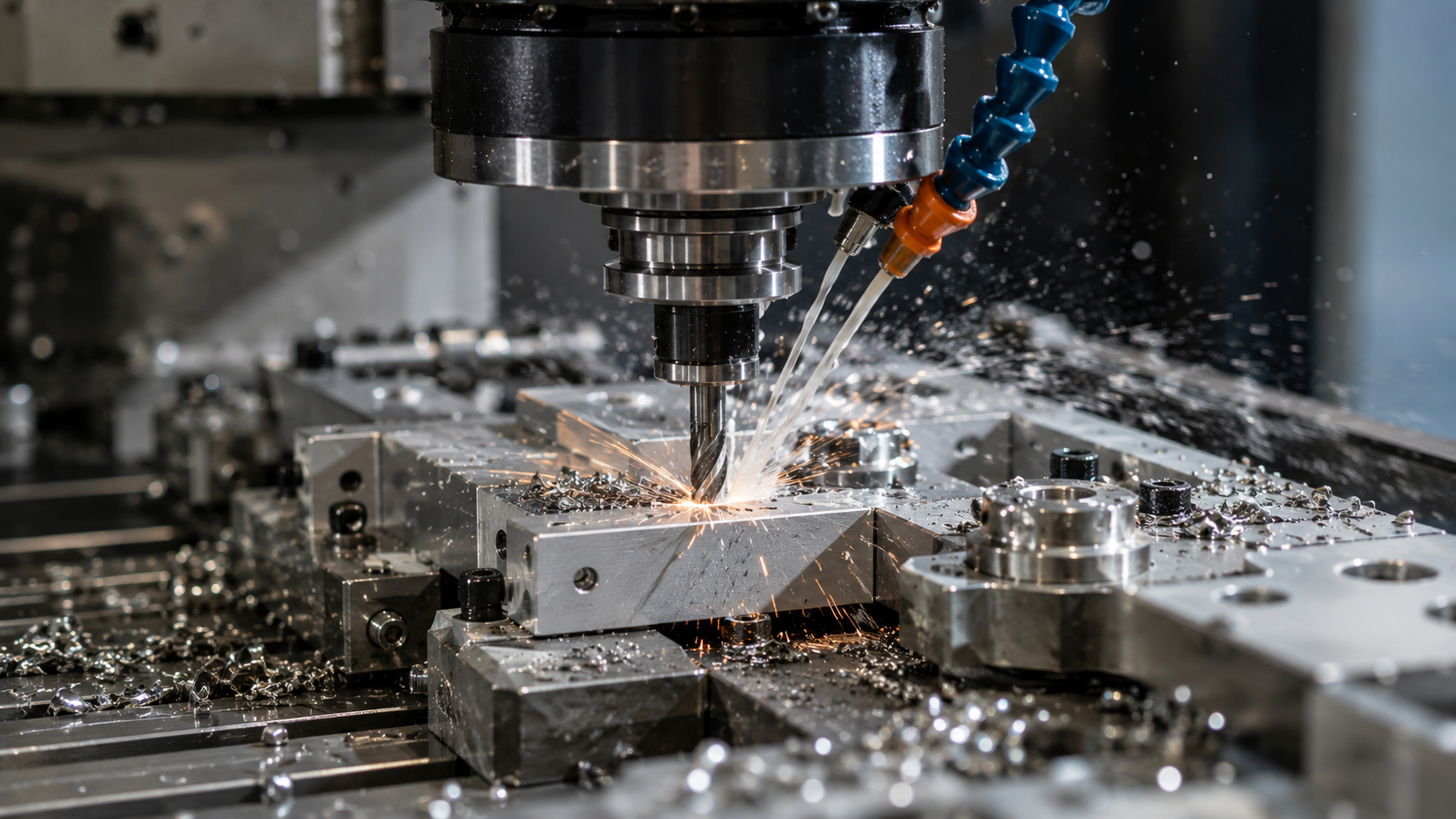
A Custom ERP is engineered in the exact opposite way. At KavaBD, before we write a single line of code, our business analysts study how your raw materials enter the warehouse, how your machines process them, and how the finished goods are shipped.
The software is built around your business, not the other way around. If your floor managers only need three buttons on their tablet to log quality control checks, they only get three buttons. This drastically reduces training time and eliminates daily data-entry errors on the floor.
3. The Long-Term ROI: Licensing vs. Ownership
The biggest argument against Custom ERPs is the upfront development cost. However, in 2026, CFOs are looking at the 5-year Total Cost of Ownership (TCO).
- Off-the-Shelf: You pay expensive monthly per-user licenses. As your factory grows and you hire 50 more workers, your monthly software bill skyrockets.
- Custom ERP: You pay for the development once. You own 100% of the Source Code and Intellectual Property (IP). You can add 500 new users to the system without paying a single extra dollar in licensing fees.
4. IoT & Machine Integration in 2026
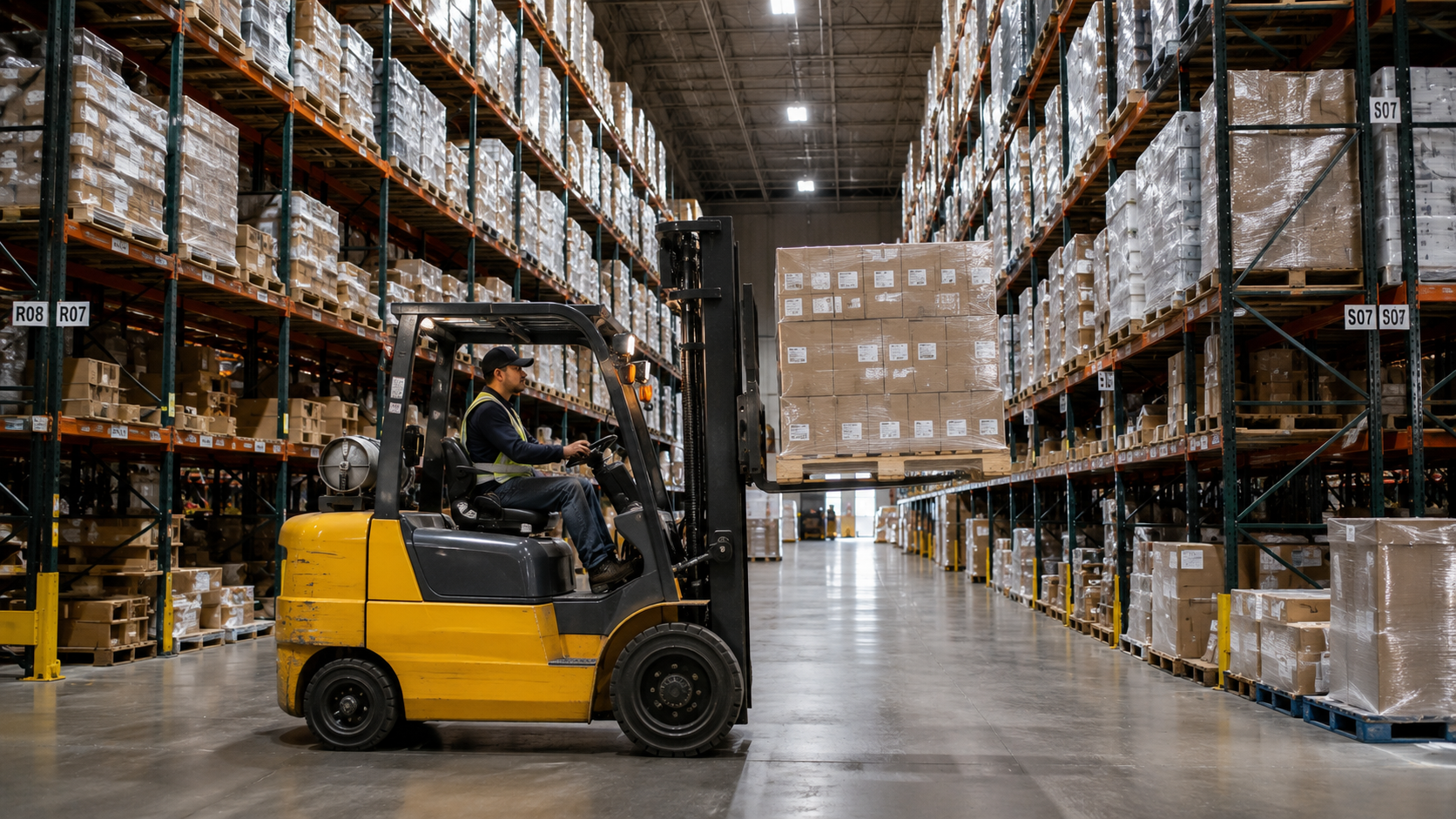
Modern USA manufacturing requires IoT (Internet of Things) integration. Your ERP needs to talk directly to your CNC machines, conveyor belts, and thermal sensors in real-time. Generic software often lacks the specific APIs needed to connect to older or highly specialized industrial machinery.
With a Custom ERP, developers can build custom bridges between the software and the physical machines, allowing for predictive maintenance alerts before a machine breaks down and halts the assembly line.
Manufacturing ERP Questions (AEO)
Ready to Automate Your Factory Floor?
Stop paying thousands in monthly licenses for software that doesn't fit your business. Speak with KavaBD’s software engineers today to discuss building a Custom ERP that scales perfectly with your USA manufacturing plant.
Book a Tech Consultation